Both history and popular culture bear witness to the power of journals, whether it’s classic books such as The Diary of Anne Frank or fictional accounts like the immensely popular Diary of a Wimpy Kid, there is something uniquely engaging and inspiring about personal journals. In it’s simplest form, journaling involves keeping a written daily record of your observations and experiences. Even though your day to day life may not seem particularly significant to write about, keeping a diary can have many benefits. Here are five of the best ones:
Achieve Your Goals
Writing down your dreams and ambitions is the first step toward realising them. The process of reflecting upon your goals and breaking them down into smaller targets on paper, serves to encourage the brain to take relevant action whenever possible. Journaling also helps you keep track of your progress and can act like a psychological blueprint, increasing your chances of achieving the goals you think and write about.

Improve Memory and Comprehension
Keeping a journal is an excellent way to help you improve your ability to recall events and data. What you record in your journal is entirely personal, but you may find it helpful to focus on writing down anything that you would like to be able to recall several years from now. This may include your impressions of places you visit, special experiences that only come around once in a lifetime, your thoughts about world events, etc. The relationship between the brain and the hand is such that the physical act of writing out letters and words sparks connections in the brain and spurs cognitive recall, hence strengthening memory and comprehension.
Boost Your IQ
According to a report by the University of Victoria, vocabulary is one of the best single measures of overall intelligence as measured by intelligence tests. As journaling is an exploration of language, it inspires the natural urge to search for new words and increase your vocabulary. Over a long period of time, a regular writing practice can therefore boost intelligence. “Writing as part of language learning has a positive correlation with intelligence,” the report further states.
Increase Emotional Intelligence
Just as important as IQ, Emotional Intelligence is the ability to perceive and manage your emotions, and that of others. Since journaling is an outlet for processing our feelings and experiences, it works to substantially increase self-awareness. Writing about our life helps us notice any limiting beliefs and negative patterns we unconsciously engage in. This can help us break through emotional and psychological blocks to become more balanced and happy individuals. Moreover, increasing familiarity with ourselves helps us better intuit and understand what others are experiencing. The ability to empathise with someone is a mark of emotional intelligence, and allows us to form deeper, more meaningful relationships.
Cultivate Mindfulness
Mindfulness or being in the present moment helps combat stress and frustration. Research has shown a strong connection between happiness and mindfulness as focussing on the present moment helps us notice the little things that are often taken for granted. Journaling is a mindful activity Journaling brings you into a state of mindfulness as writing calls a wandering mind to attention. It involves actively engaging with your thoughts which makes past frustrations and future anxieties lose their edge in the present moment. A particularly effective way of mindful journaling is writing about the things, situations or people that you are grateful for in your life. Taking the time to really notice the positive things that surround us is the simplest and most effective way of cultivating a sense of joy and peace t in life.
 In addition to having routines, it’s important to manage both space and time effectively. Cultivate a habit of tidying or cleaning as you go, putting things away immediately after use. Get rid of clutter and have.a dedicated space for everything so that it is easy to maintain a tidy home environment without too much effort.
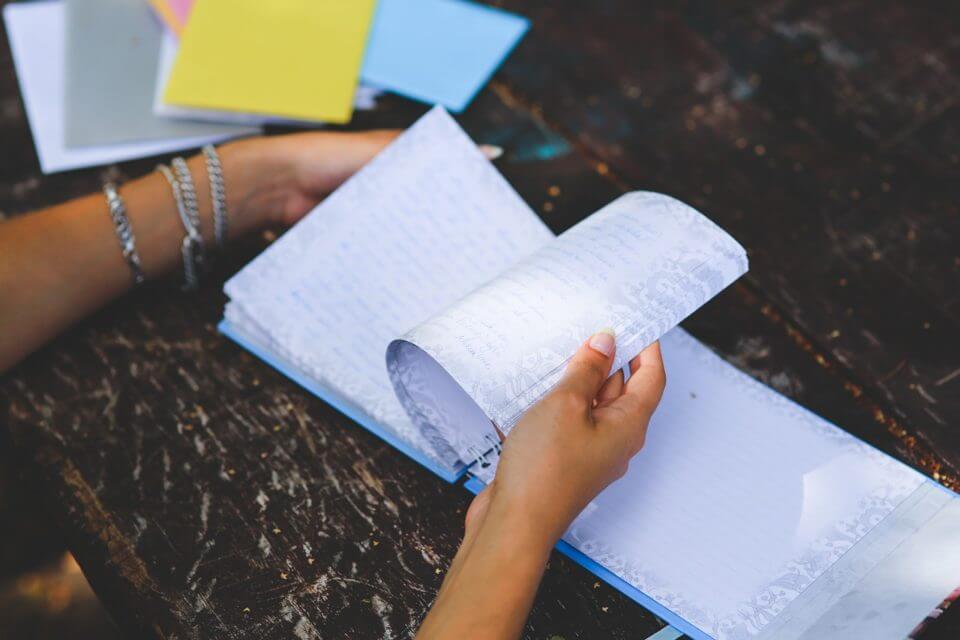
  Right from the early years of school, it’s a good idea to teach children how to plan and organise their life using a calendar or planner. Get your child a simple notebook or journal that they like and let them use it to create lists, assign dates and times for various tasks, jot down notes and reminders for themselves, etc. Make it fun by allowing them to use coloured pens and pencils, post it notes, stickers and any other creative tools they enjoy. A simple system to adopt is to set aside time at the end of each week to plan the following week’s activities. Get them into the habit of consulting their notebook everyday and using it as a personal assistant.

 Use the last few weeks of summer to get out of the holiday mood and back into a school-day rhythm. Have your child practice getting up and getting dressed at the same time every morning. Start eating breakfast, lunch, and snacks around the times your child will eat when school is in session.It is especially important to implement a healthy sleep routine so that your child is well-rested before the school year begins. Limit the use of smart phones and tablets before bedtime to ensure better sleep for both your child and yourself.
  Sometimes, children can be wary of returning to school due to issues which they have not been able to communicate with you. It is therefore paramount to maintain open channels of communication and talk with your child about their feelings – both the excitement and the concerns – about starting or returning to school.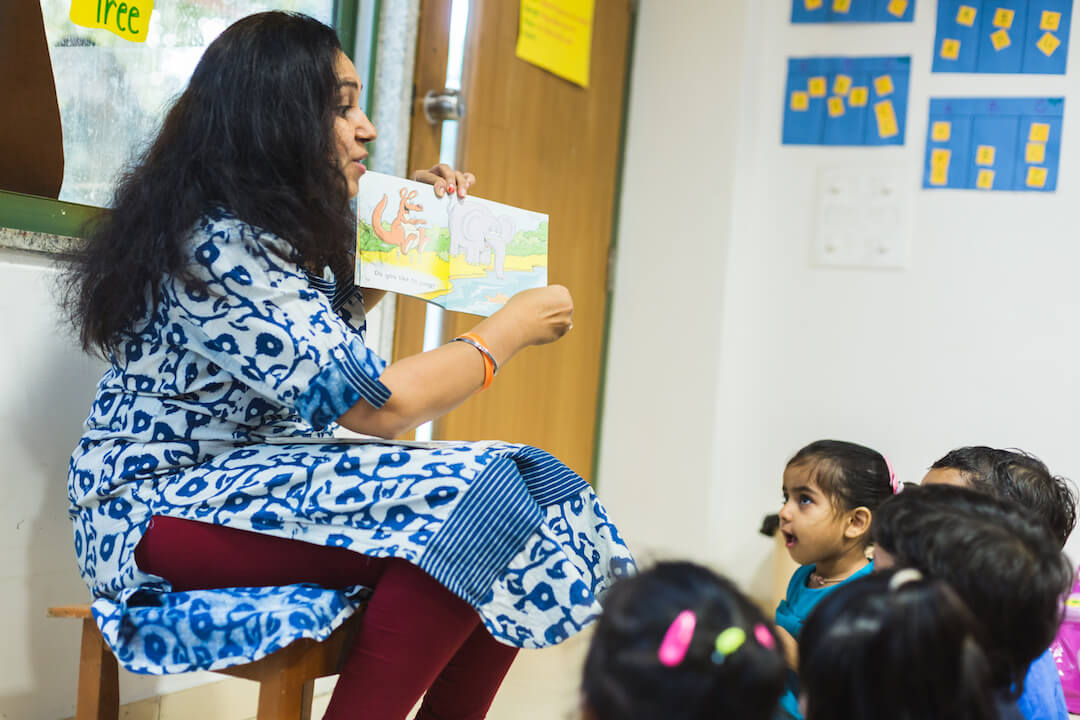
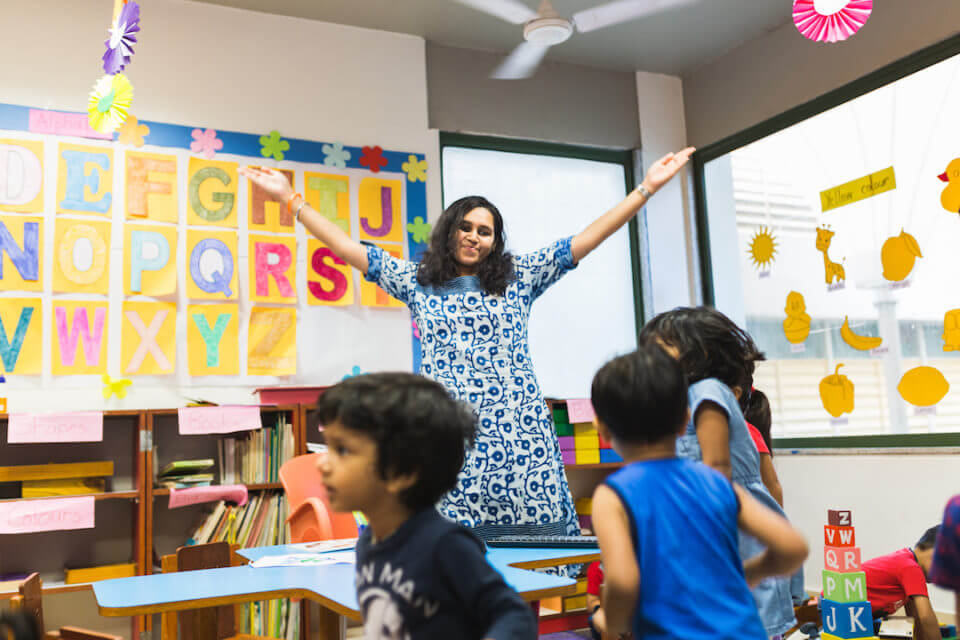

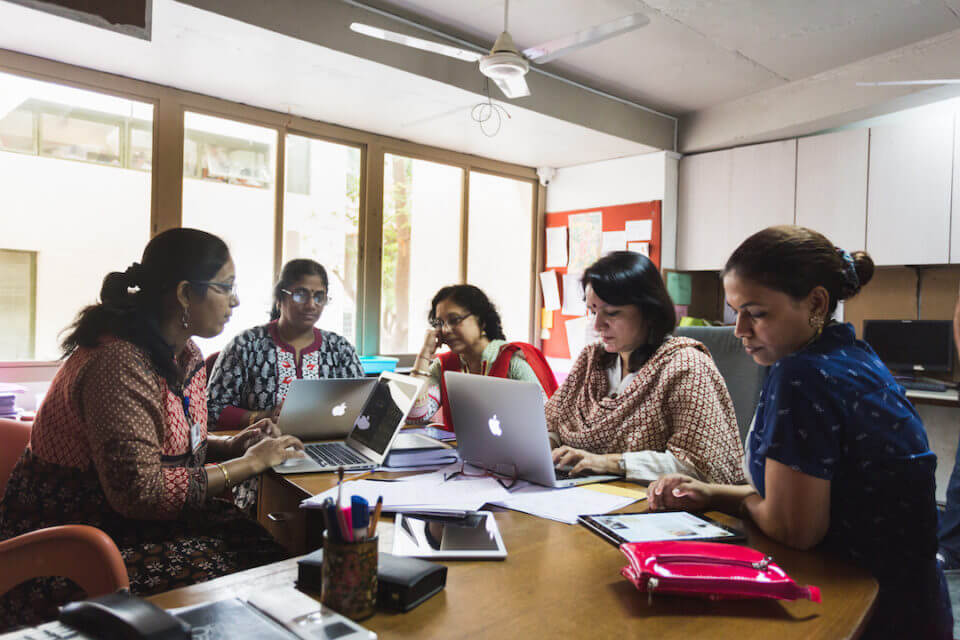
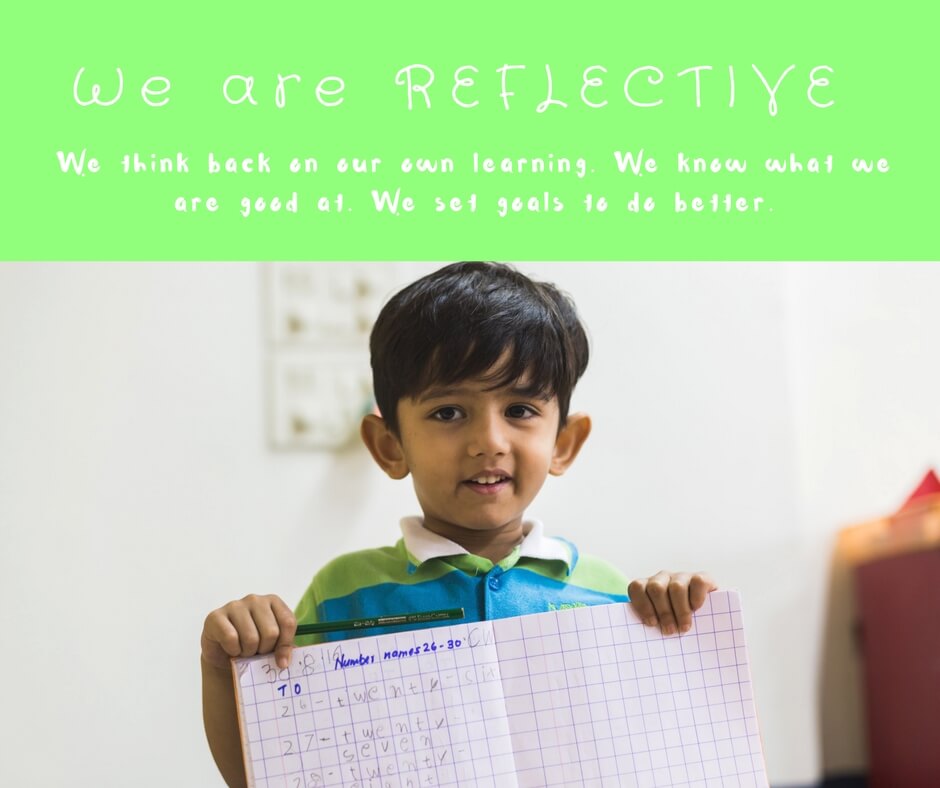
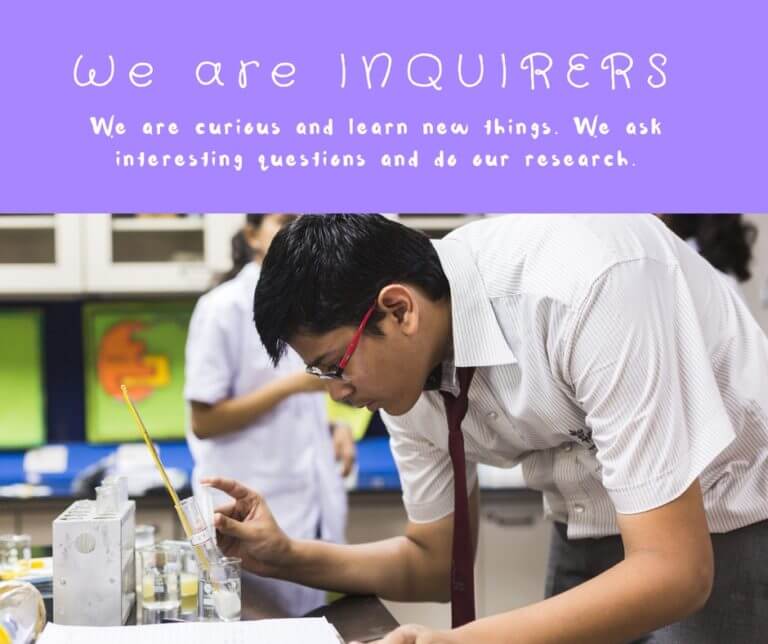
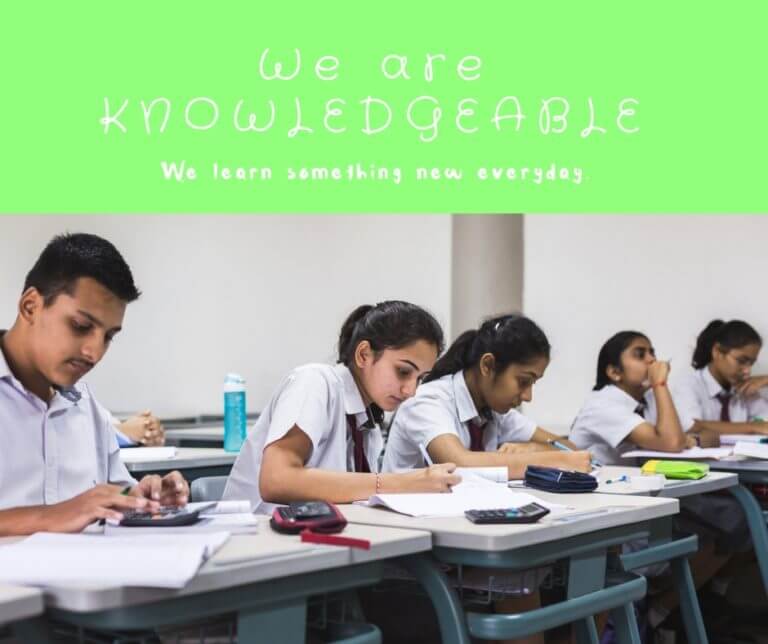
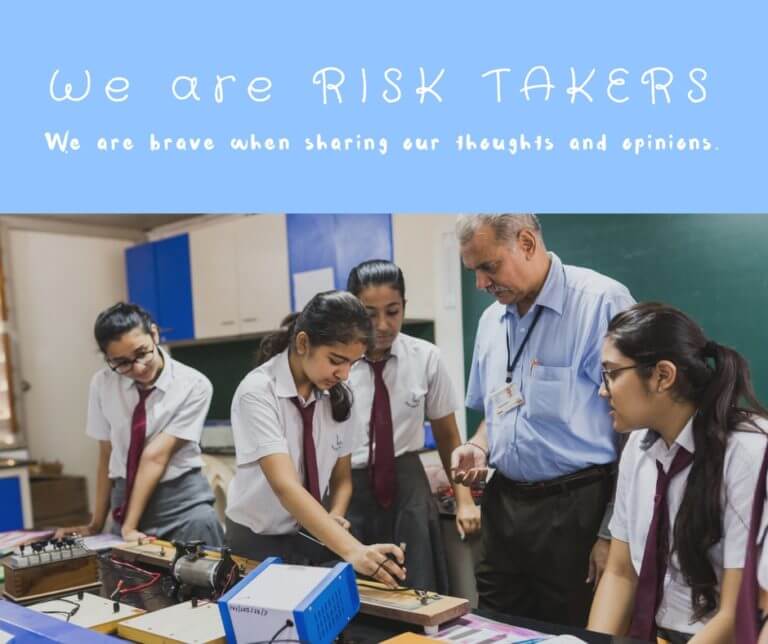
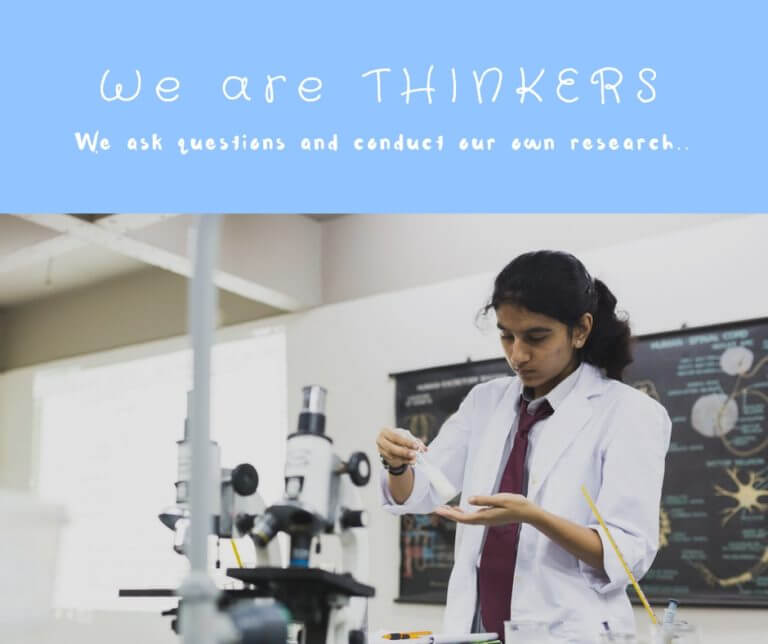 Critical thinking is a key 21st century skill because self-directed, self-disciplined, self-monitored, and self-corrective thinking enables young people to communicate, solve problems and effectively handle life situations that call for reflection, analysis and planning. In an uncertain future, it is impossible to predict the kind of problems that will need to be solved, which makes it crucial to nurture young people into independent critical thinkers.
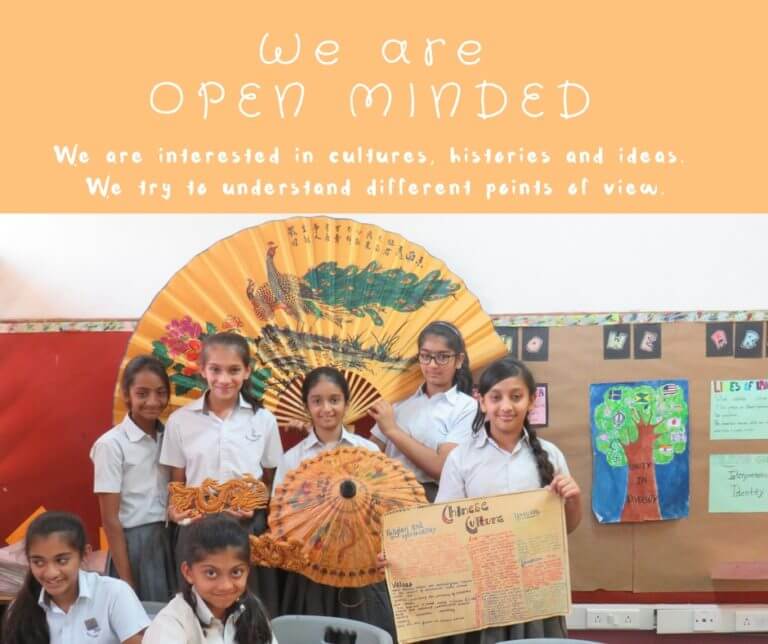
 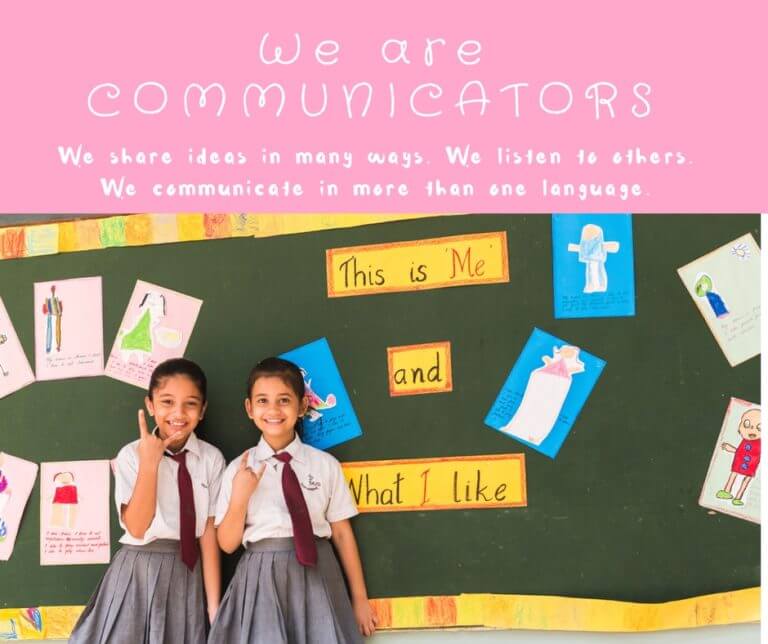 Being an effective communicator is essential for success because it facilitates working with others, understanding different points of view, and expressing oneself in more than one language to form a connection with others. Clear communication builds confidence and also fosters empathy, which enables young people to understand and collaborate with their peers.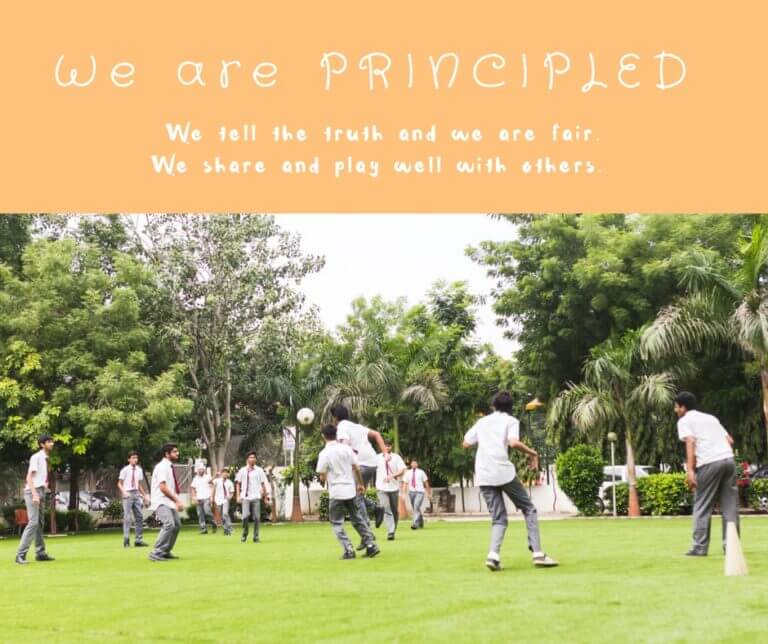
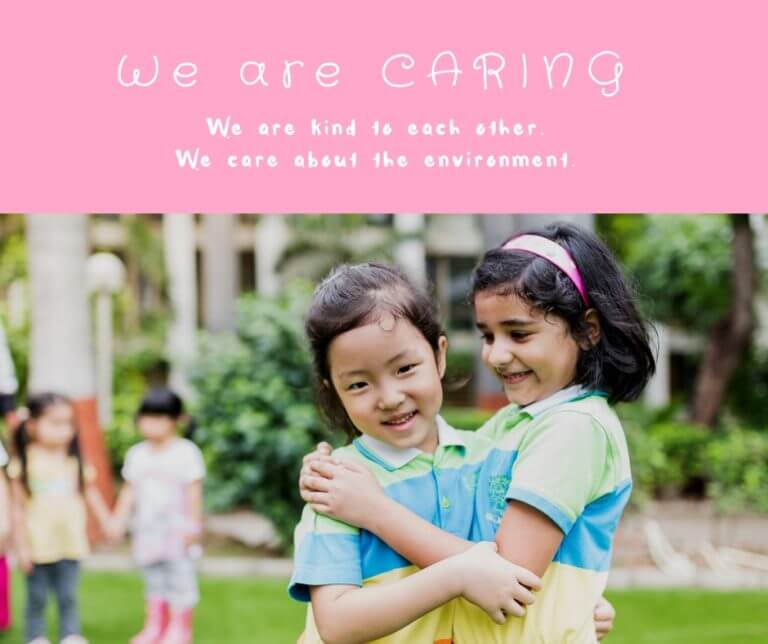
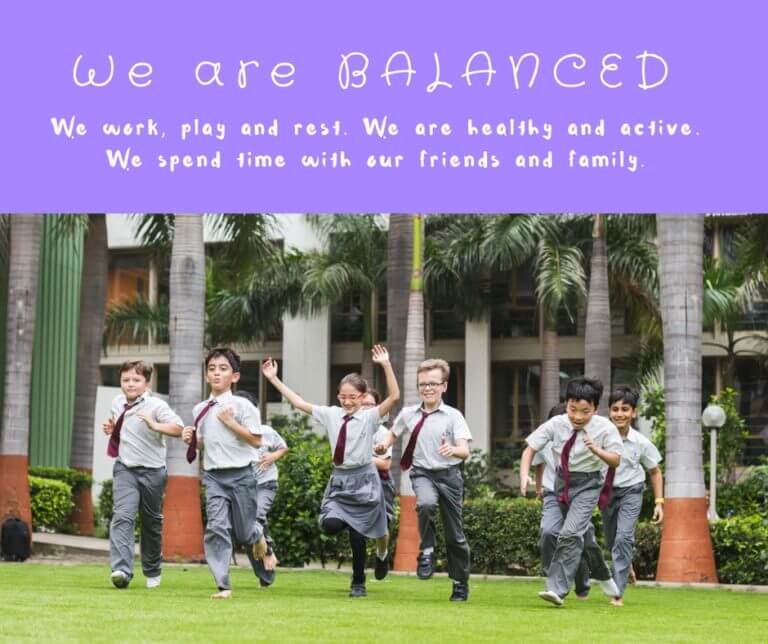

 In our busy lives, we often allow our frustrations, little and large, to get the better of us. This results in a lot of
 the best things in life are free. It’s just that we tend to forget what exactly these things are in the humdrum of the hectic lives we lead. Set aside time each week to enjoy some simple pleasures like playing, cuddling, spending time in the nearest park, rereading favourite stories, making art with whatever supplies are on hand, or anything else that is easily available and pleasurable for your child and you. Talk with your children about what they really love doing and create time and space in your lives for those activities or experiences. Whatever you choose, do remember to express gratitude for the joy it brings.
 t that comes from helping out for a cause they care about. For instance, if your child loves pets, why not arrange for them to volunteer time at an animal rescue centre? Encourage them to make simple gifts rather than always purchasing things from the store. Making a card or writing a letter for someone are great ways to teach children that gifts need not always be material and are in fact more meaningful when effort is put into creating them. Above all, remember to appreciate your child’s efforts and value the things, experiences, and memories they give you. We all feel bogged down by life from time to time, but things get so much easier when we remember to literally and vocally count our blessings every single day.





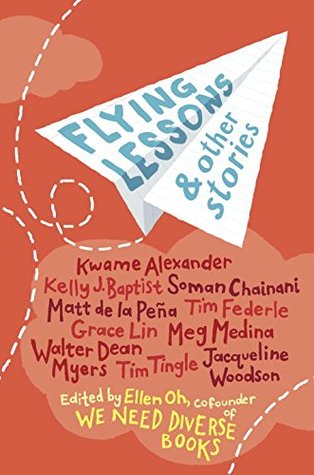 Featuring stories by the likes of
 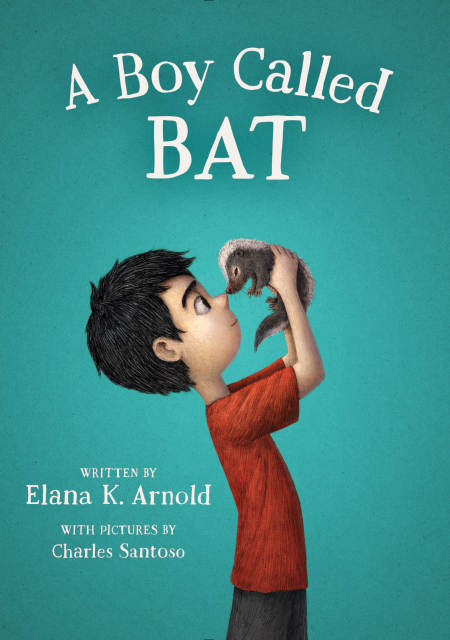 Nicknamed Bat, Bixby Alexander Tam finds life to be full of surprises, both pleasant and not-so-good. This endearing story about Bat’s desire to adopt a baby skunk as a pet will both enthral and amuse young middle grade readers. Written by acclaimed children’s author
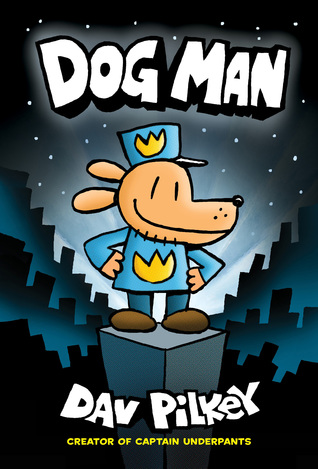 The first of a series of bestselling children’s graphic novels, Dog Man is all about a crime-biting canine superhero who is part-dog and part-man. the attractive comic-book format and hilarious story will keep readers hooked from start to finish. Dan Pilkey is the renowned creator of the hugely successful Captain Underpants series and Dog Man will be particularly appreciated by young readers who enjoy superhero and animal themed tales.
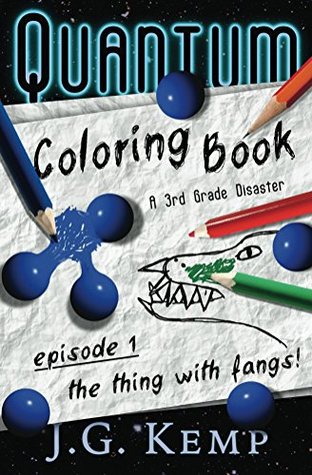 The first in a series of enthralling science fiction for children aged six to nine, this is the story of Brandon Black and his super powered quantum colouring book. Full of quirky characters and vivid descriptions, this book is the ideal combination of funny, fast paced and imaginative -sure to engage newly independent readers. The suspenseful ending will leave children eager for the next book in the series.
 The latest offering from New York Times Bestselling author Holly Goldberg Sloan, Short is the endearing story of Julia, a preteen who is embarrassed about her lack of stature but slowly comes into her own while taking part in a local theatre production. A classic breezy summer read, this novel is the perfect mix of relatable, funny and moving. Julia is easy to connect with and her story is one that children of all ages and even adults can enjoy.
 It is Earth year 2213 but there is no Earth anymore and humans have fled to Mars, a temporary sojourn before they embark on a one-hundred-fifty-year-long journey to a distant star that is a potential new home. The protagonist is Liam Saunders-Chang, the son of two scientists who have been racing against time to create technology vital to humanity’s survival, Liam and his friend Phoebe are going to be on the very last starliner to depart before Mars, like Earth before it, is destroyed. This brilliant work of science fiction will transport the reader away from the limbo of summer to a fascinating future that can very easily be imagined within the realm of possibility.
  Thirteen year old Valor is true to her name, conniving to help break her twin sister out of a prison that nobody has managed to escape in three hundred years.. Set in a unique and brilliantly crafted world, this fantasy adventure is a warm hearted tale of courage and sisterhood that will appeal to both preteens and young adults. Releasing April 2017, this debut novel book has garnered several five star early reviews on Goodreads.
 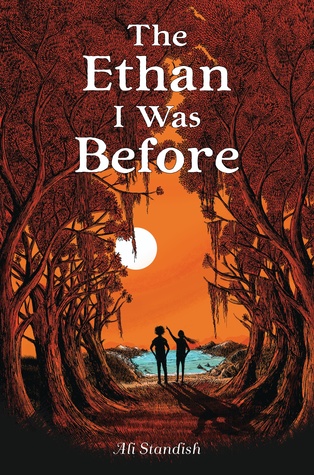 This beautiful debut novel starts off with the unanswerable question: what becomes of who you were before if you unwittingly do something tragic and irrevocable that divides your life forever into two parts? Ethan is a deep and multi-dimensional protagonist, as is Coralee, the new friend he makes upon moving from bustling Boston to a small town in Georgia. The plot immediately captivates the reader, embarking on a journey of healing from guilt and grief, growing up and coming of age. First-time author Standish has crafted a winning story that will have readers rooting for Ethan the whole way through.
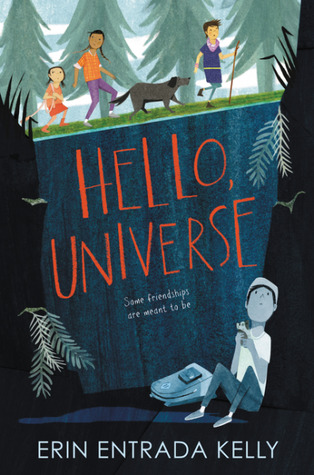 Told from four intertwining points of view, this is a novel about unexpected friendships and finding your inner hero. The suspenseful narrative is infused with humour and hope, while the diverse cast of protagonists are plucky and compelling. Acclaimed Filipino-American author Erin Entrada Kelly has crafted a deeply engaging story that tackles issues of bullying and self-acceptance in a witty, poised manner that young readers will easily connect with.