The start of a new year is a great time to reflect upon improvements we would like to make in our lives and to set some goals and aspirations for the next twelve months. While these goals and ambitions can be as big and momentous as you would like them to be, it is often simple little changes that can go a long way toward making us happier and healthier. Keeping this in mind, here are eight words from foreign languages which you may or may not have heard of but would certainly benefit from incorporating in your life in 2018:
Hygge
Pronounced as ‘Hooga’, this danish word has been gaining a lot of popularity in wellness and lifestyle circles.
 Though there are many ways to describe hygge, it broadly refers to the Danish ritual of enjoying life’s simple pleasures, that is the love of friends and family, graciousness, contentment, positive feelings, pleasant smells, the simple comforts and warmth of home, you get the picture!
Hygge is intrinsic to the Danish lifestyle, but this feeling of well-being, so deeply satisfying and cozy, is something we all experience, each in our own way. However, it’s also a feeling that’s very easy to lose sight of in the busyness of modern life. So this year, why not make it a priority to experience some hygge everyday? Make an effort to slow down and have a more mindful morning or evening or both – devote some time to unwinding, catching up with your loved ones, and disconnecting from the greater world. Light some scented candles, enjoy a cup of your favourite beverage or dig into a good book to indulge in some health-boosting hygge every single day.
Mudita
Mudita is a word from Sanskrit and Pali that has no counterpart in English. It means sympathetic or unselfish joy, or joy in the good fortune of others. In the age of social media it can be so easy to constantly compare our lives with others and be stuck in the unhelpful feelings of lack and envyInstead, Instead, why not embrace mudita – the pleasure that can be obtained from seeing other people do well. Mudita is much like the joy and satisfaction a parent gets from watching their child grow up and become successful. Make it a point to cultivate such feelings whenever you see anyone doing well and the positivity will begin to reflect in all aspects of your life.
Depaysement
This French word encapsulates the feeling of not being at home in a foreign or different place. It refers to the sense of adventure tinged with confusion that comes from getting a change of scene. This year, embrace the unsettling joy of depaysement by moving out of your comfort zone at every possible opportunity. Try new experiences, even those that seem daunting or frightening at first, attempt things which seem absurd or you have never done before such as striking conversation with a random stranger. Say ‘yes’ to opportunities you would ordinarily have turned down without even thinking about it. Experiencing some depaysement can be a great way to extend your knowledge and skills so as to grow as a person. Of course, do pay attention to safety and never do anything that makes you uncomfortable. Trust your gut instincts but treat every day as an adventure.
Flaner
 Another French word, ‘flah-nay’ means to stroll, hang around, or wander. This year, slow down your life a bit and wander around the streets of your city to perhaps see them in a new light. Instead of constantly longing for expensive trips out of town, become a tourist in your own city and rediscover your favourite spots. While having a purpose and planning every minute of our day can largely be essential to productivity, a little bit of flaner can nurture the soul and help you lead a more content life.
Meraki
The modern Greeks use this word to describe doing something with soul, creativity, or love — when you put “something of yourself” into what you’re doing, whatever it may be. Meraki is often used to describe cooking or preparing a meal, but it can also mean arranging a room, choosing decorations, or setting an elegant table. Why not make it a resolution to do everything with a little meraki this year? Devote yourself to every task you take on, even if it is something mundane like cleaning up the house. Take pleasure in the things you do and lend your own personal touches wherever possible. It will not only make you more creative but also incite joy and appreciation in those around you.
Orenda
According to the Native American confederacy of Iroquois, Orenda is the spiritual power inherent in people and their environment. It is the invocation of the power of human will to change the world around us. It can be viewed as the opposing force to fate or destiny. If powerful forces beyond your control are trying to force you one way, orenda is a kind of voiced summoning of personal strength to change fate. This year, stop blaming extraneous situations and instead focus on exercising orenda to build the life that you desire. It’s time take things into your own hands and make sustained changes that will help you achieve your goals.
Ubuntu
 Ubuntu is an ethic or humanist philosophy focusing on people’s allegiances and relations with each other. Originating from the Bantu languages of South Africa, Ubuntu is the belief in a universal bond of sharing that connects all humanity. A person with Ubuntu is open and available to others, affirming of others, does not feel threatened that others are able and good, for he or she has a proper self-assurance that comes from knowing that he or she belongs in a greater whole and is diminished when others are put down, and uplifted when others succeed.
Transform the way you connect with others in 2018 by embracing Ubuntu and recognising your role as a participant in collective humanity. Treat others with respect and do your bit to make a positive contribution to other people’s lives and the world at large.
Nunchi
Nunchi, sometimes noonchi, is a Korean concept signifying the subtle art and ability to listen to or gauge others’ moods. Translated literally as ‘eye-measure’, nunchi can in some ways be equated to the concept of emotional intelligence or intuition. It can play a central role in the dynamics of interpersonal relationships and can help you respond to others in a more compassionate way.
This year, practice nunchi by really listening when others are speaking. Cultivate genuine interest in getting to know others which will consequently sharpen your abilities to empathise and truly understand their viewpoints. Express yourself with an open mind and give others a chance to tell their side of the story. Practicing nunchi can help you acquire better communication skills and enrich your relationships, both personal and professional.
Have a great year ahead and may these eight words serve you well. 🙂
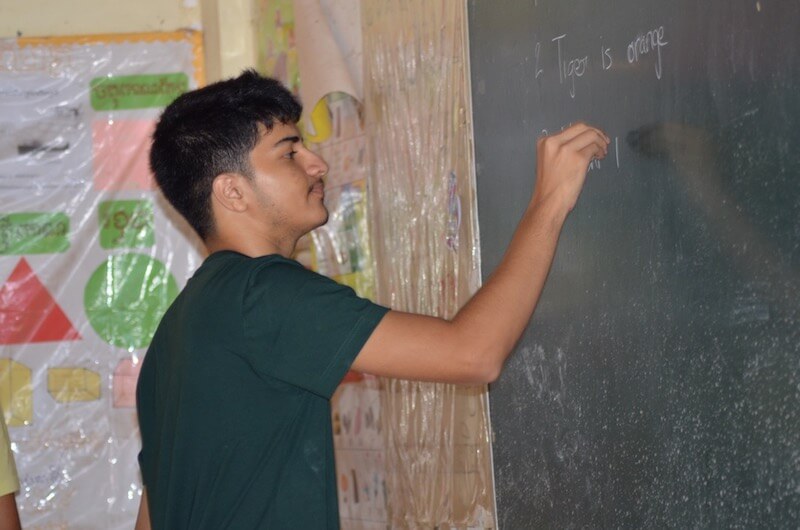
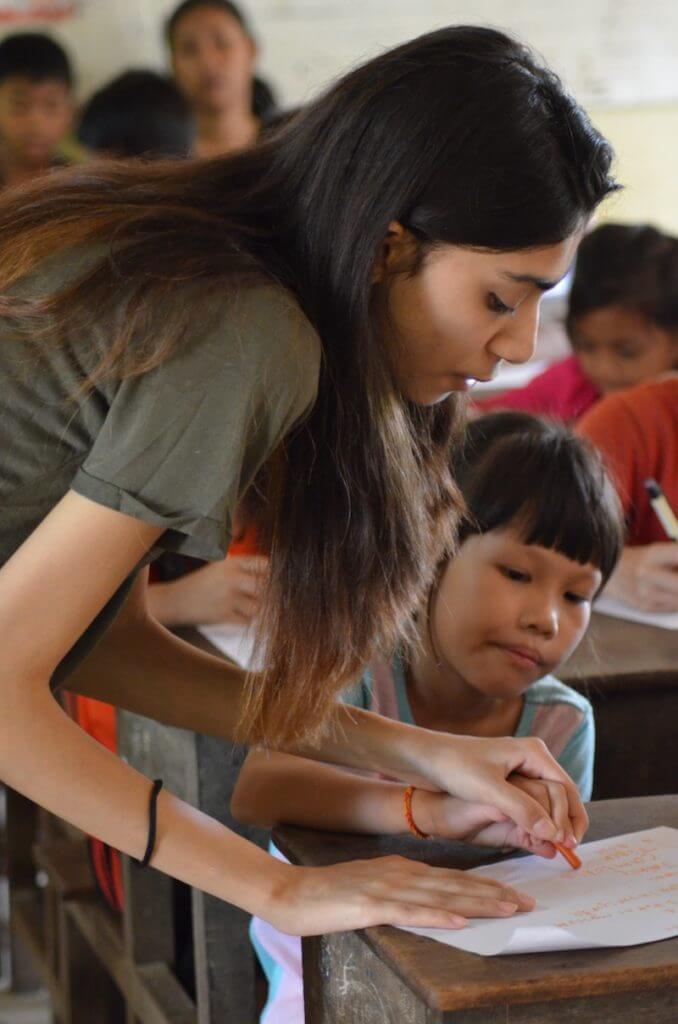 At Ahmedabad International School, in our endeavour to cultivate international-mindedness, eleventh graders travel to Cambodia for a culturally immersive CAS experience. In Siem Reap, students engage in a range of activities, such as:
 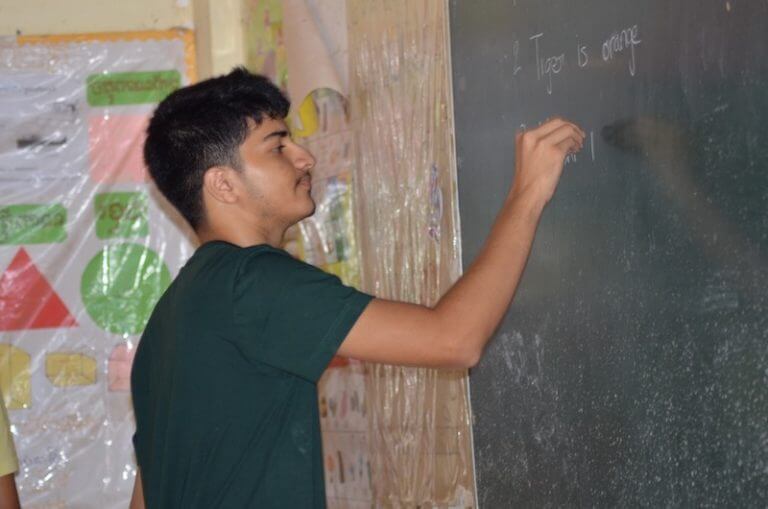 The CAS component provides students with opportunities to solve real-world problems which entail critical thinking, teamwork and leadership. Experiencing and participating in a foreign culture enables students to purposefully reflect upon their experiences, identify goals, develop strategies and determine further actions for personal and collective growth.
 You’ve probably heard it before and you’ll definitely hear it again from all kinds of experts, but gadgets such as televisions, computers and smart phones significantly interfere with restful sleep. As far as possible, avoid having such devices in the bedro
 Food and drink taken before bedtime significantly impacts the quality of sleep. Make sure you eat at least two or three hours before bedtime to give your stomach enough time to digest the food. If you must eat right before bed, dieticians Catherine Christie and Susan Mitchell in their book

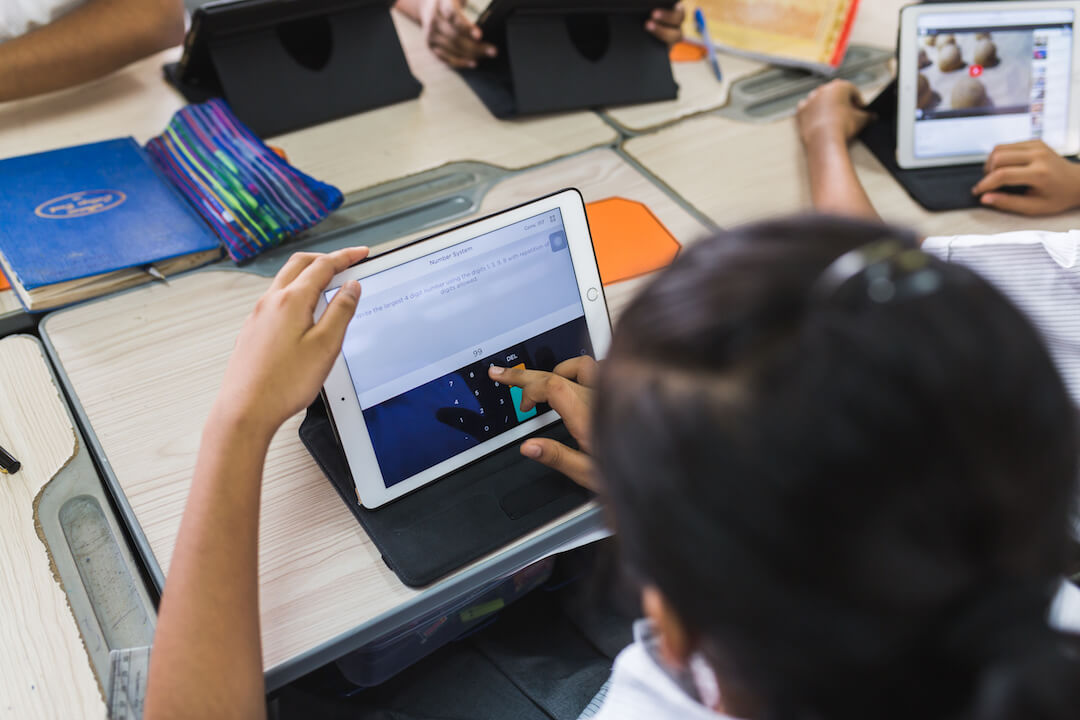



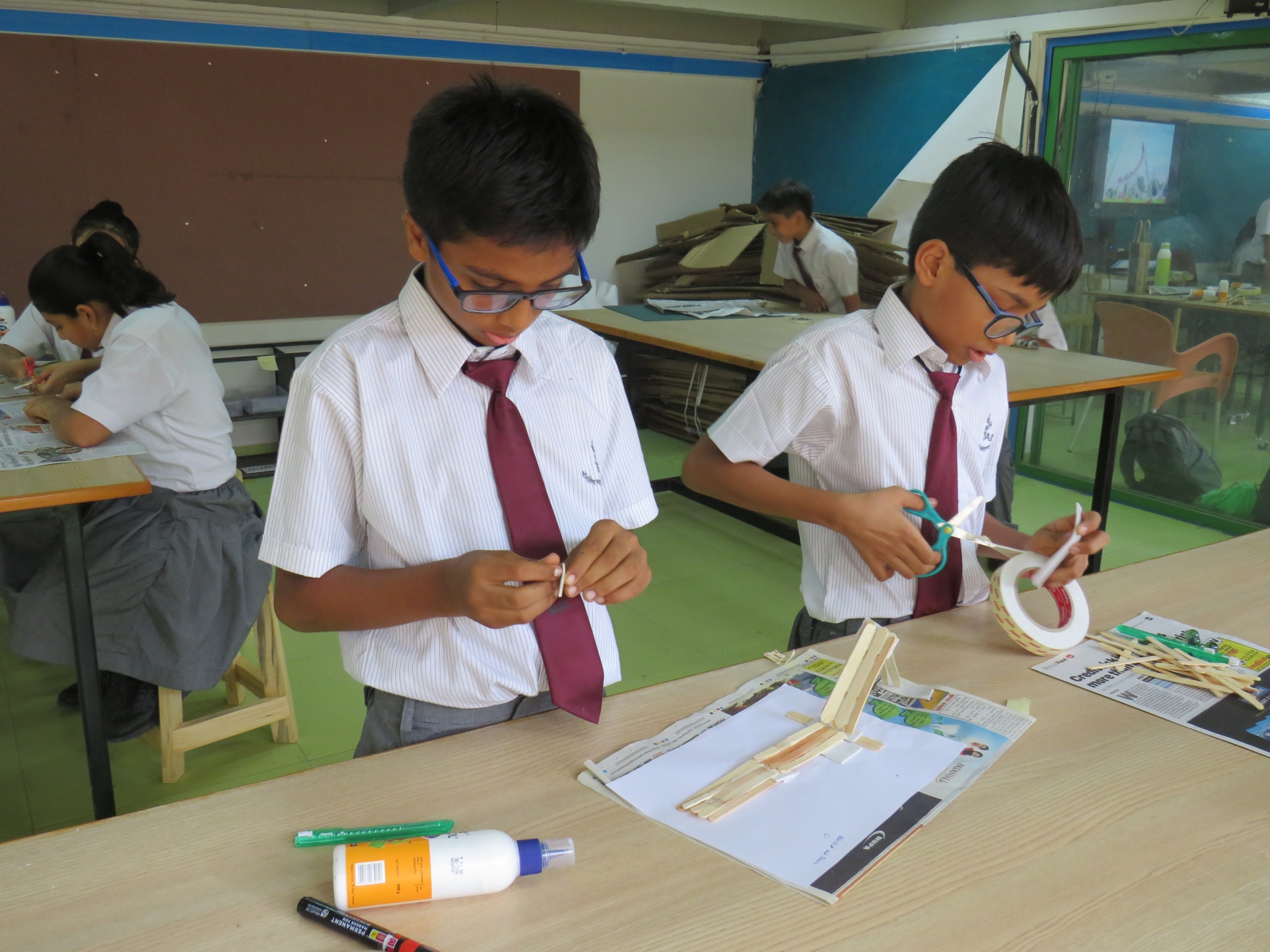
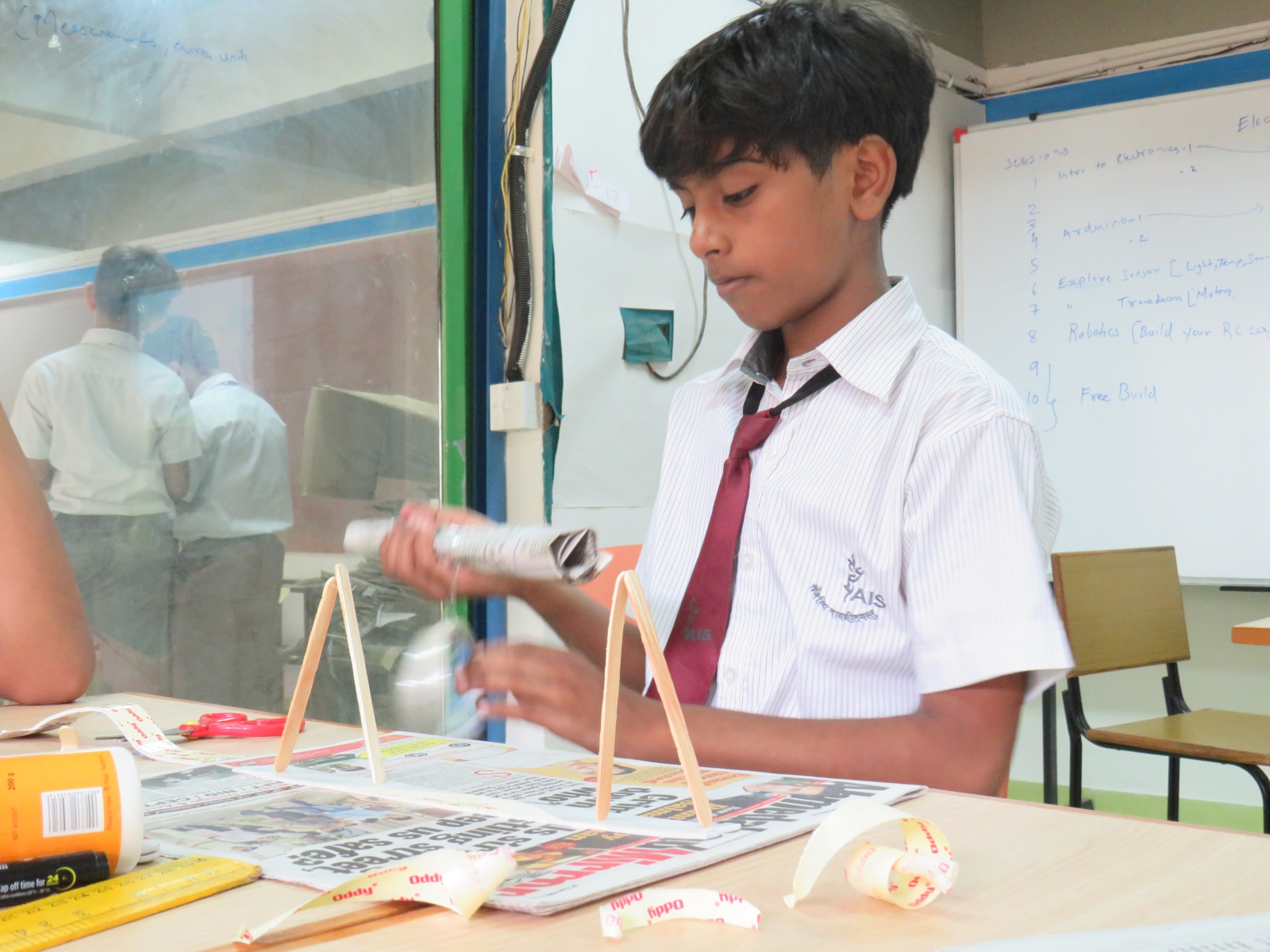
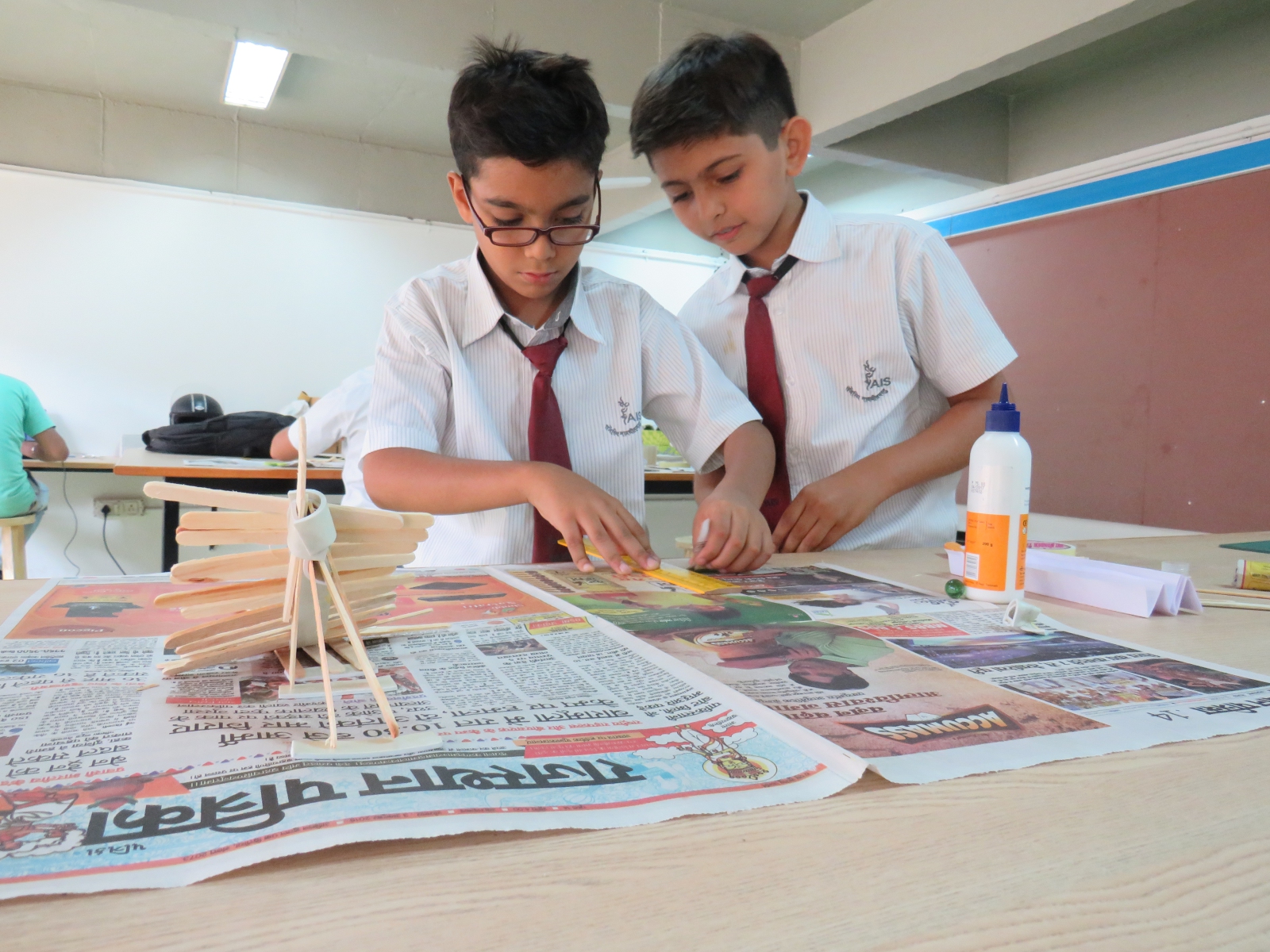
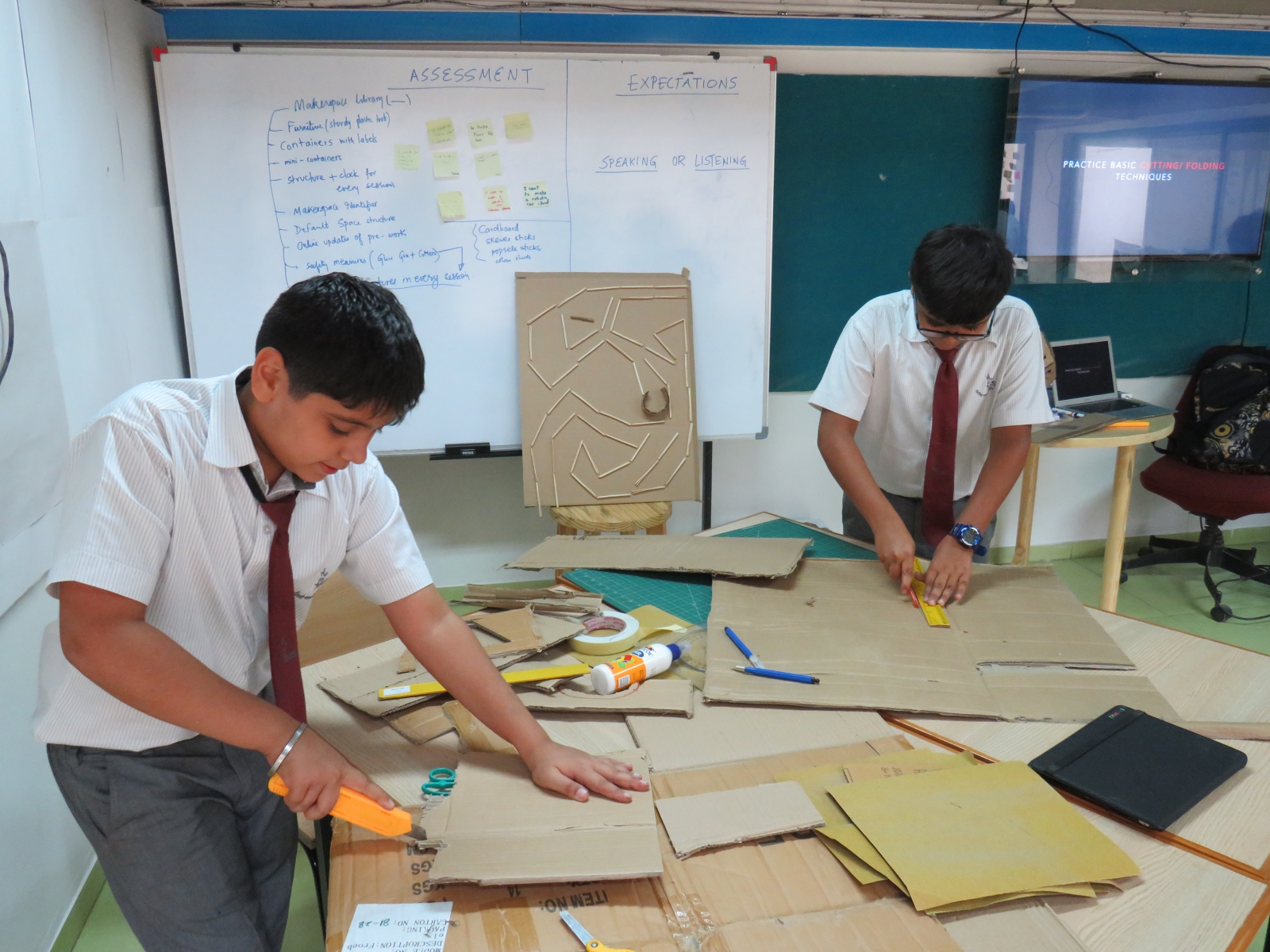
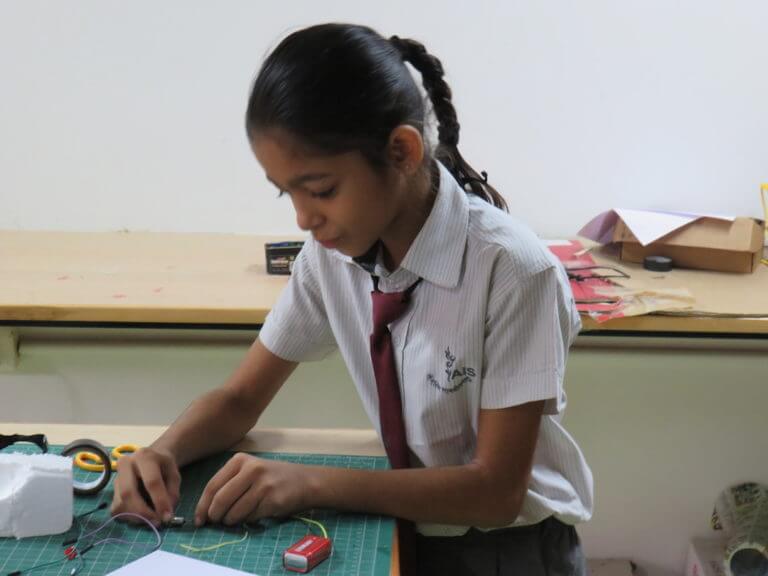 While in a classroom setting, students are often dependent upon the teacher to further their learning but in the makerspace, the processes of ideation, tinkering, experimenting with new ideas, making modifications and striving for success help young people become self reliant and intrinsically motivated learners. This is an invaluable trait to have in the 21st century world where professional setups require independent thinkers who can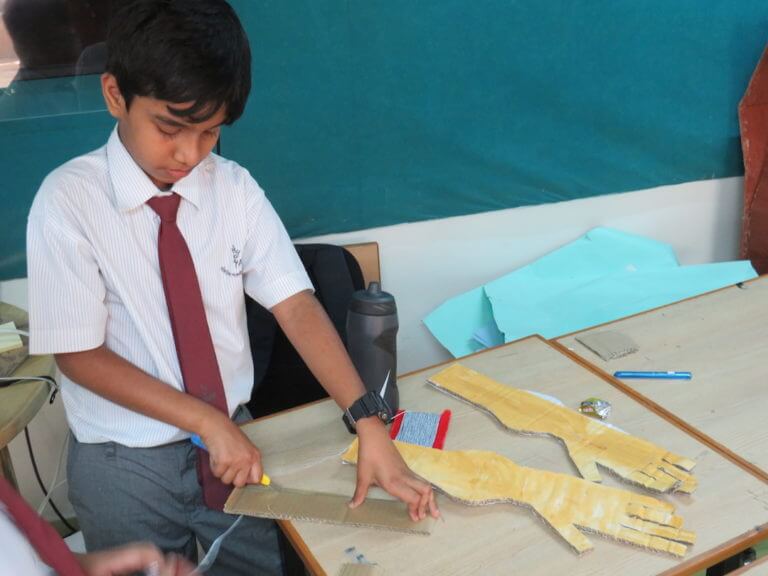
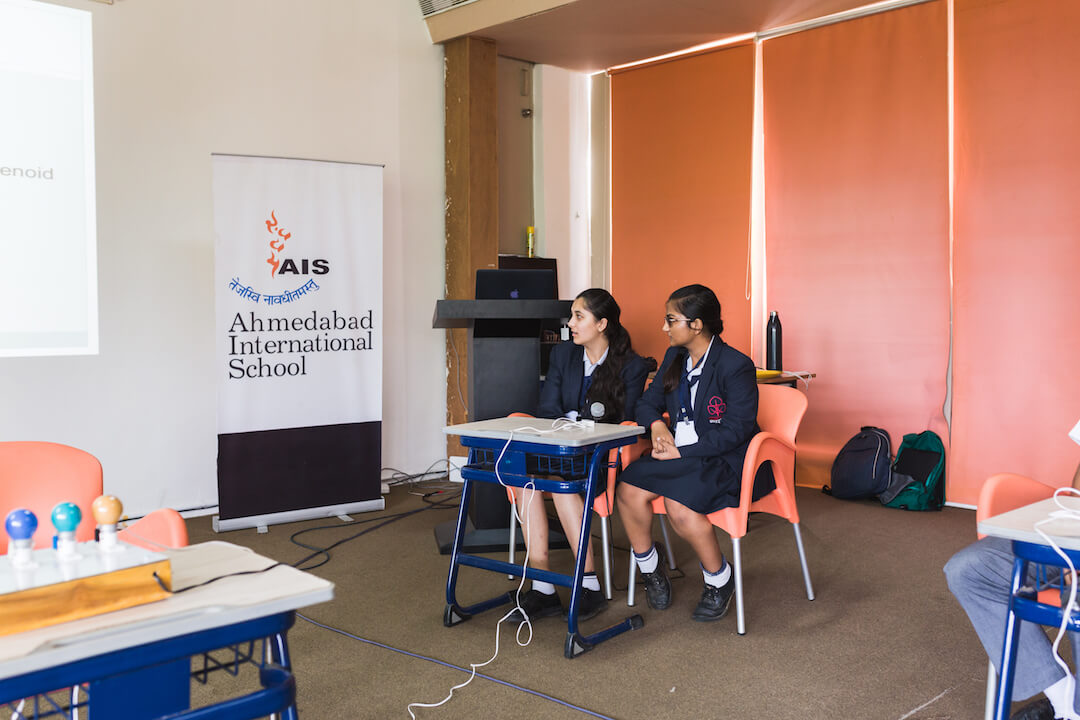
 Ahmedabad International School is hosting the second edition of the Ahmedabad International Model United Nations on 18-19 August, 2017, as part of Kairos, the annual fest organised by students of the International Baccalaureate Diploma Programme. To register and participate, fill in the simple application form at

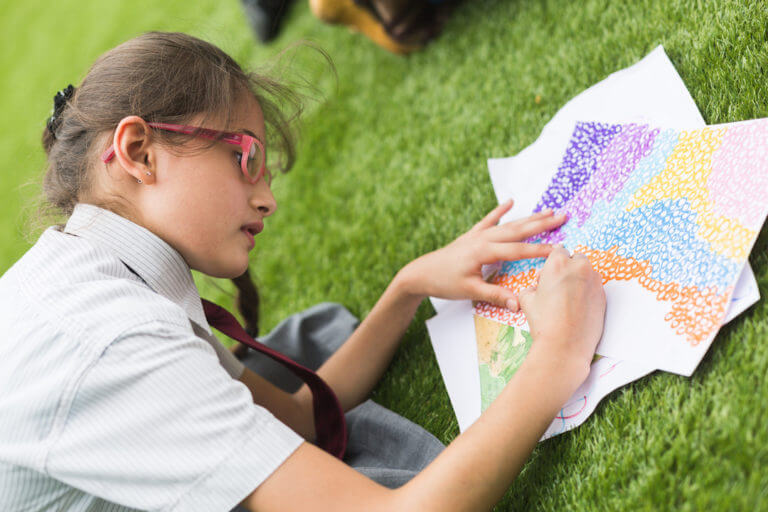 Visual learners can relate better to pictures, images and spatial understanding. They are the kind of people to whom the popular idiom of “a picture is worth a thousand words” holds unequivocally true. They are good at reading maps and graphics so can better comprehend information that is presented in such visual forms.
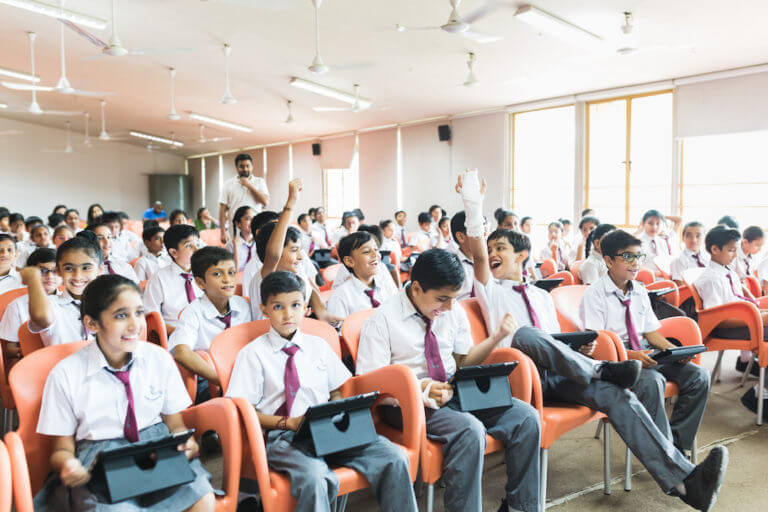 These kinds of learners prefer to learn through sounds and music. They perform well in traditional lecture-driven classroom setups. They can better retain information by speaking it out loud or recording and hearing it back. They are good at keeping up with verbal instructions and enjoy expressing through drama and music.
  Verbal learners find it easy to express themselves, both in writing and speaking. They best absorb information through reading and can easily pick up and use new words. Rhymes, limericks, mnemonics and the like are all effective tools to enhance learning for verbal learners. Verbal learners are most often adept communicators and good at learning foreign languages too.
 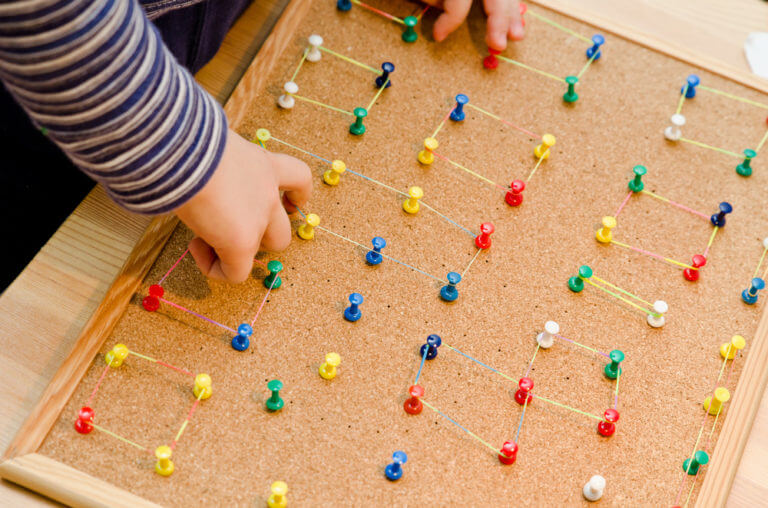 These are the individuals who cannot sit in one place and learn. They require movement and hands-on activity to acquire and retain information.
  Logical learners are adept at solving math problems, abstracting visual information and analysing cause and effect relationships. They are drawn to logic puzzles and games. They are also natural tinkerers and builders who enjoy bringing mathematical and conceptual ideas into reality via hands-on projects such as computer assisted design, creating electronic devices, using computer applications, or programming computers.
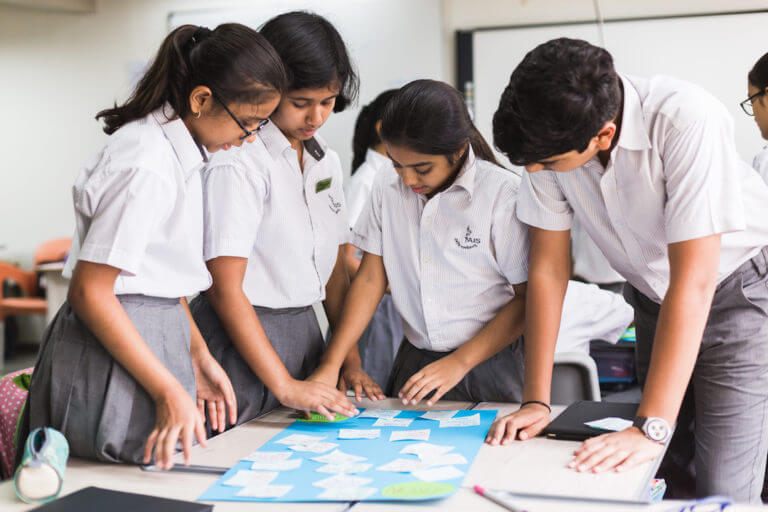 Social learners enjoy interaction with others and do well in group settings. They communicate well and heighten their learning by sharing thoughts and ideas with others. They are best taught through group activities, seminars, and dialogues.
 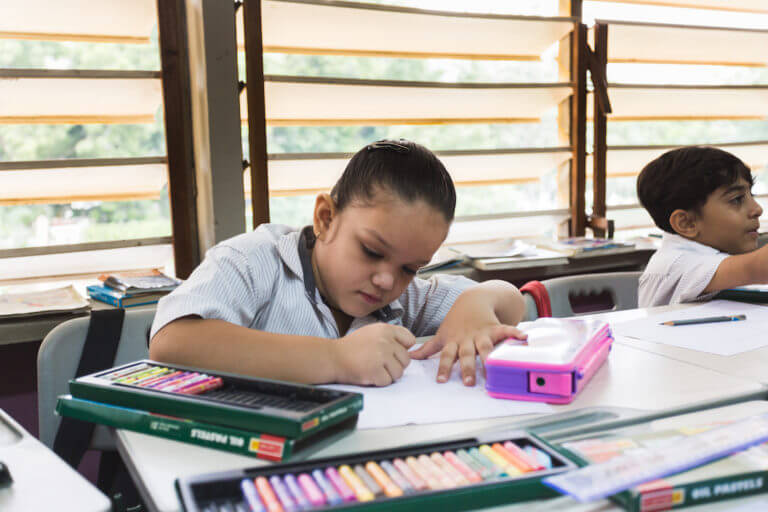 These learners prefer to work alone and use self-study. they are typically introspective and need to work through their thoughts on their own in order to process and reflect upon their learning. They are the most independent kind of learners and have good self-awareness. They work best with tools such as books and journals.